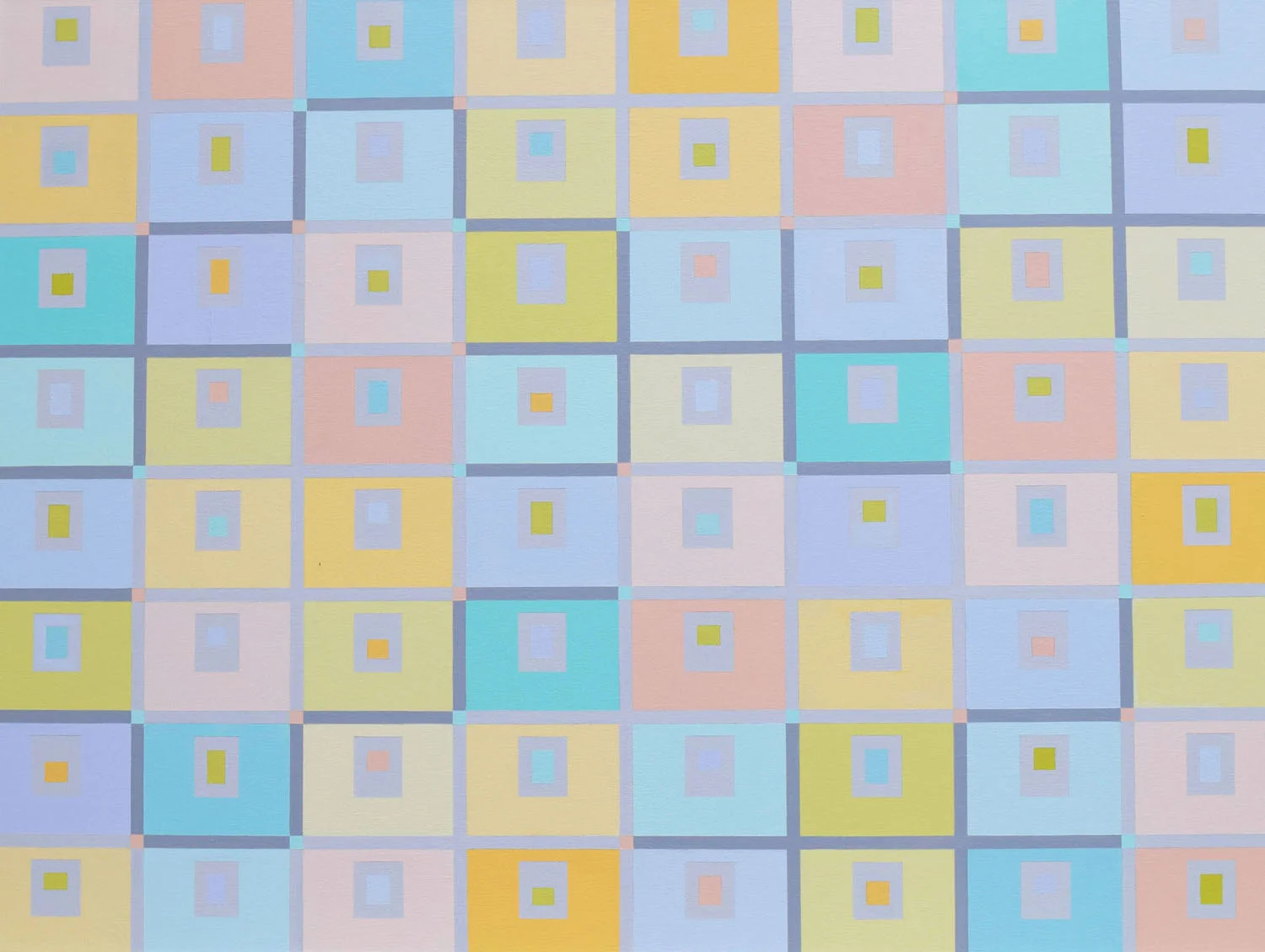
Conceived during an intense period of self-searching and experimentation this work marks a stylistic shift from the organic free flowing By the Way paintings. Surrendering to simplicity and the meditative act of painting color formations reflecting on the passage of time and beauty in the presence of the mundane, the Energy Paintings mark a quiet control and flow of time and energy as pattern.
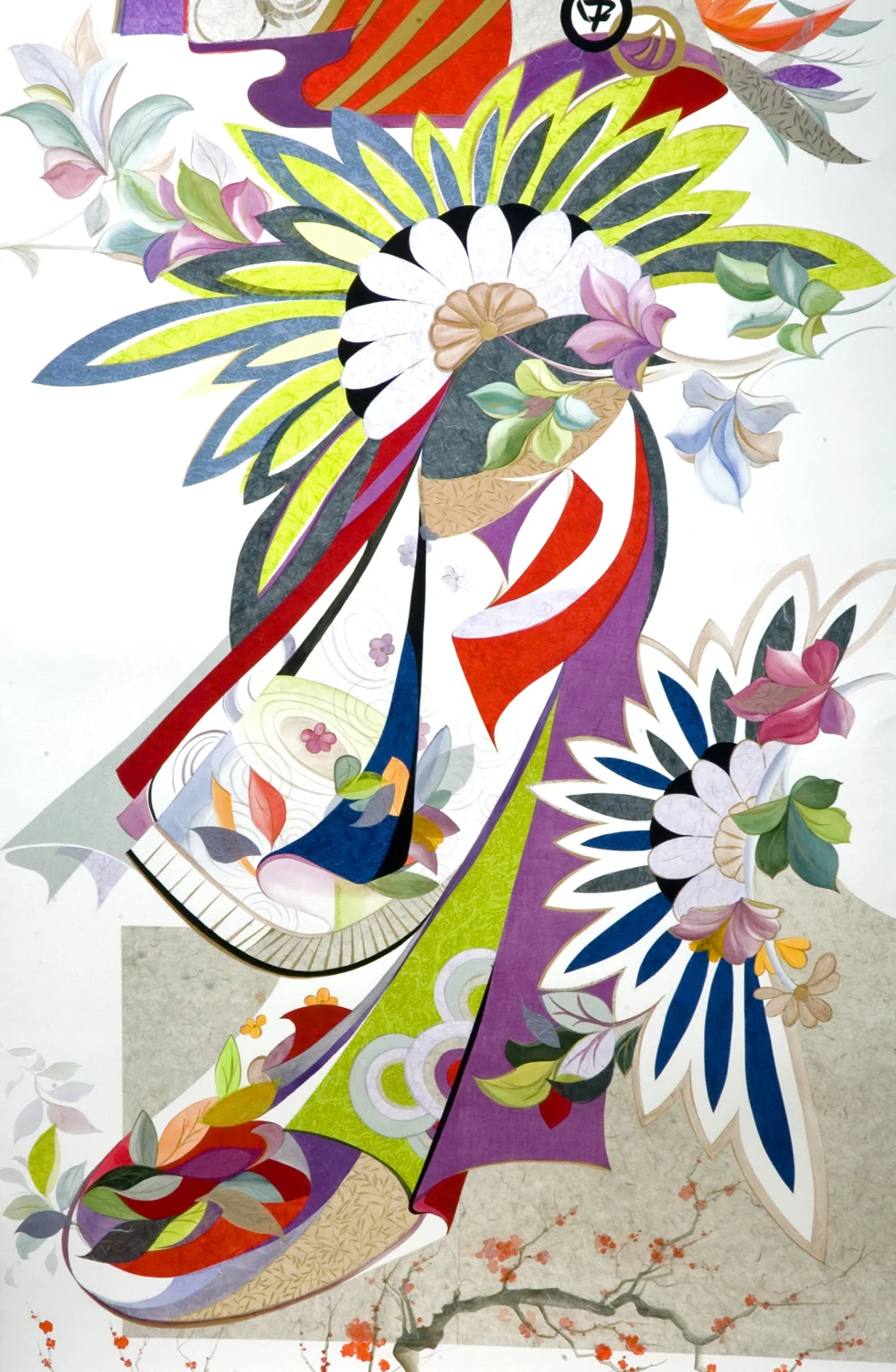
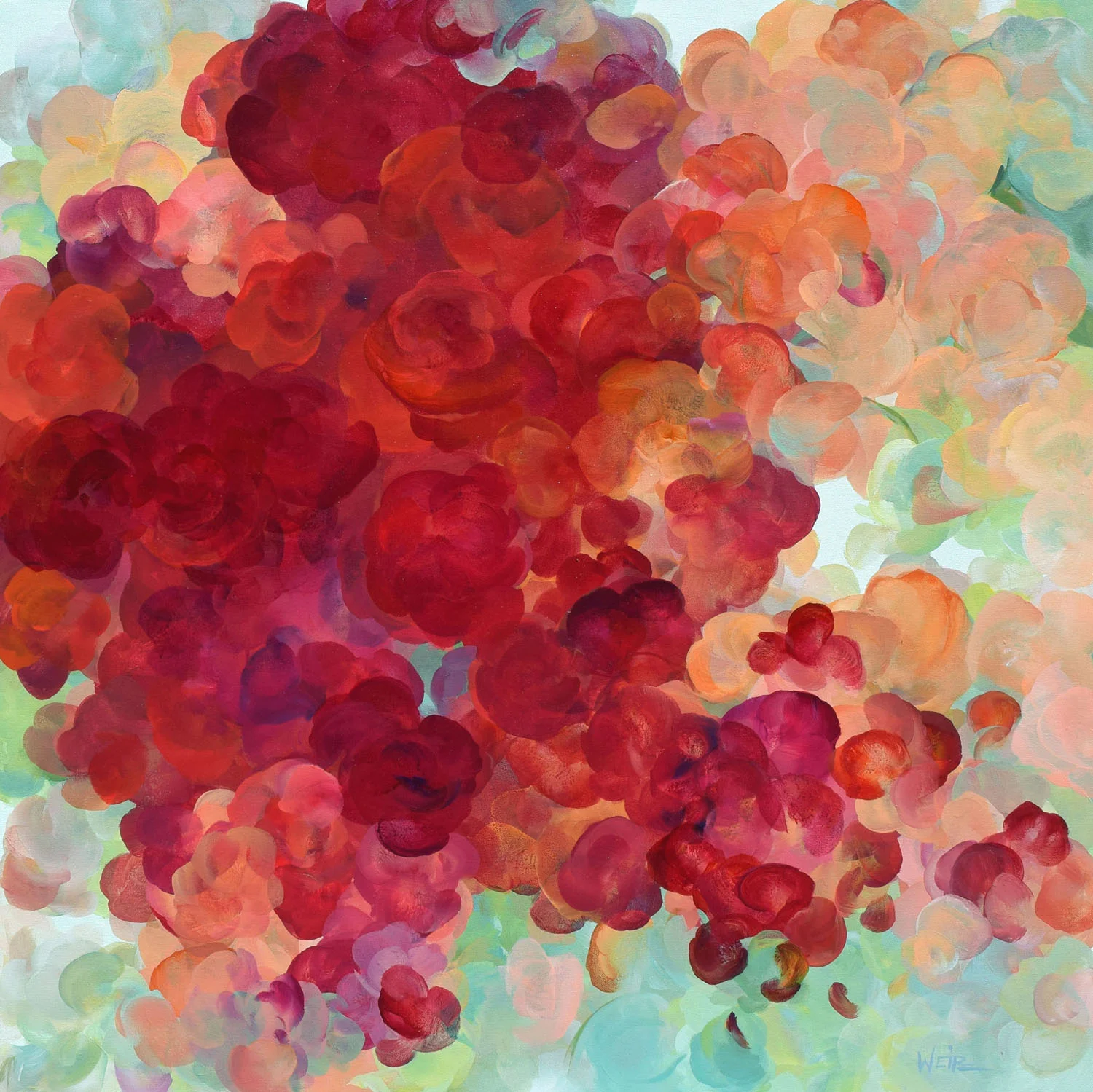
By the Way paintings are about the joy, freedom and immediate sensation of the painting process. On a deeper level, the organic images brought forth in essence form, as in a sensual cluster of flowers moving and flowing, are a poetic equivalent of how we move through our fleeting life, our moment in time, driven by desires and transformed.
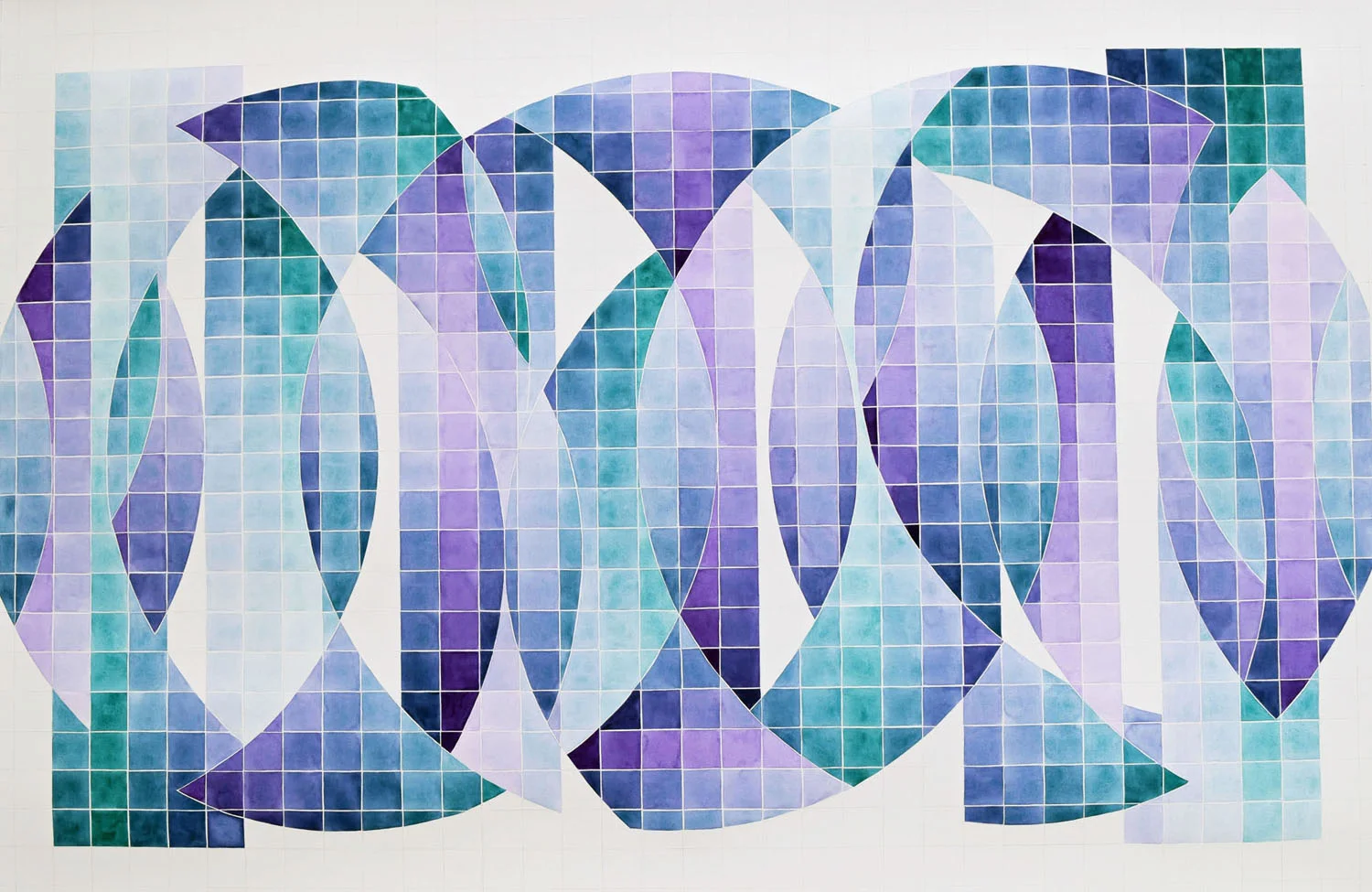
Passages represent a metaphysical landscape inspired by our personal existence and sacred passages. The imagery has a mysterious quality of recognition that invites yet seems unreachable and elusive.
“I believe there are multiple interpretations to one piece of artwork and viewer engagement is the ultimate collaborative experience with the artist. May our personal realities bind us in the spirit of a shared visual language…” Weir
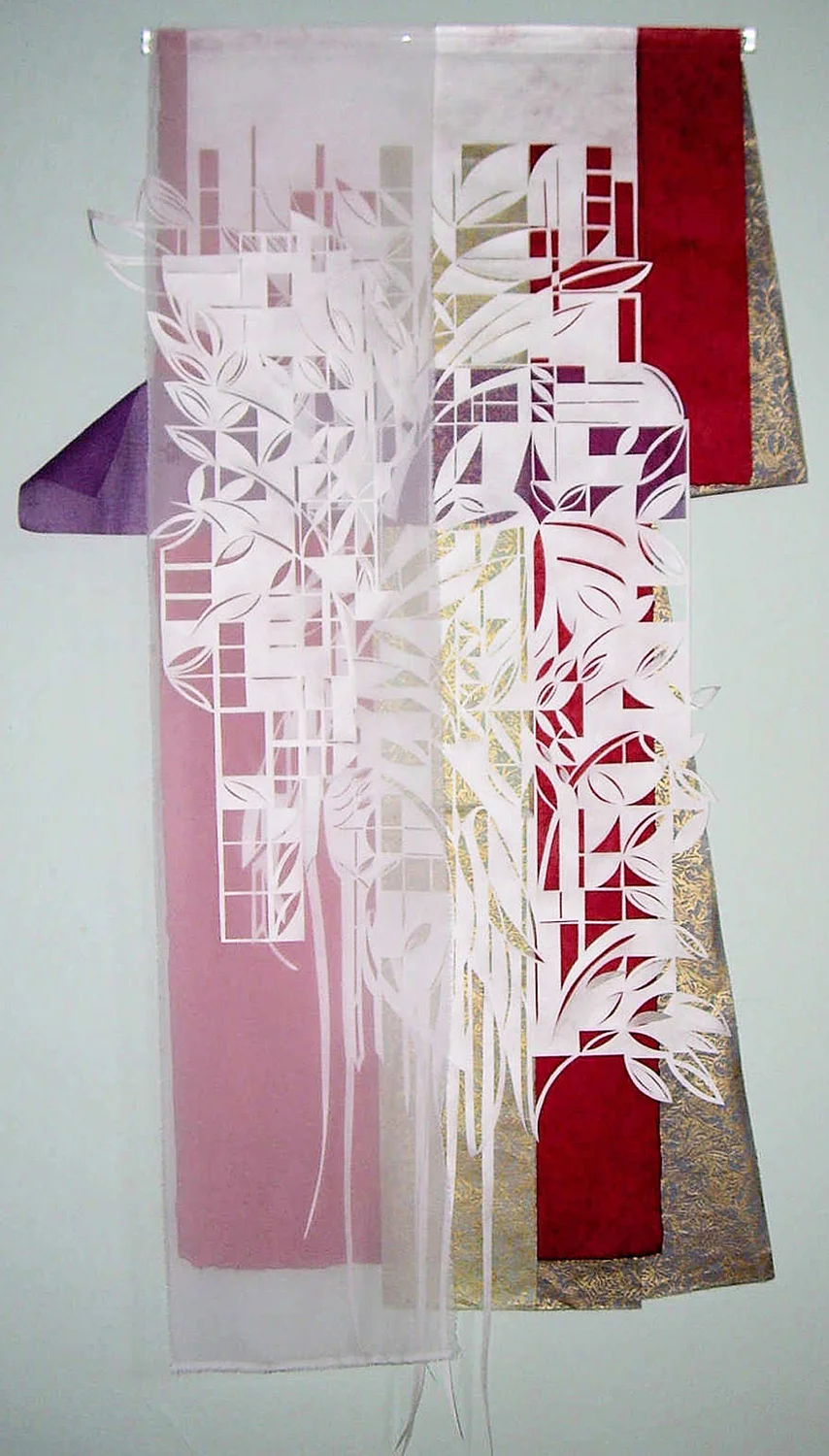
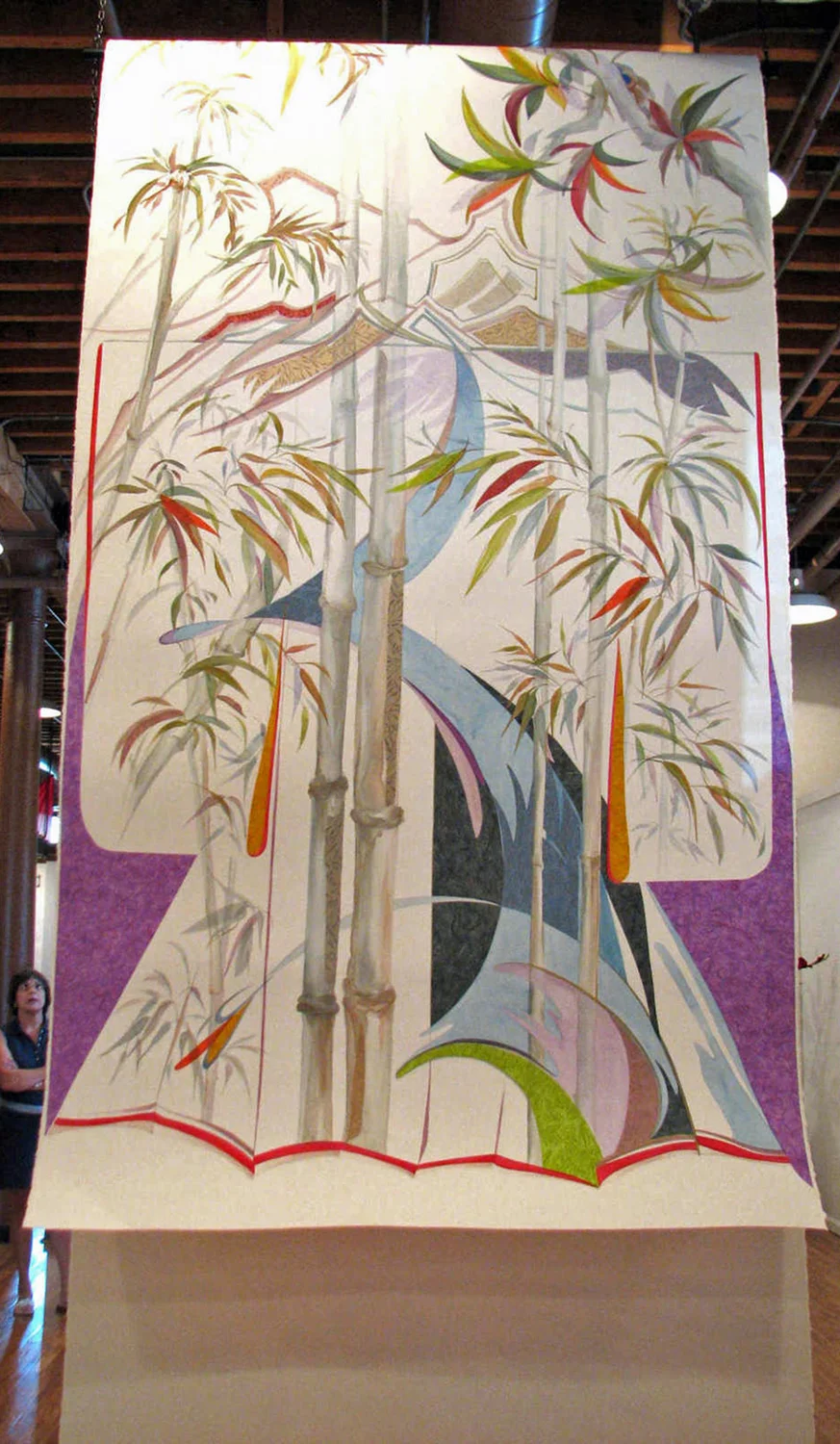
The Kosode Scroll is a 4.25’ x 33’ mixed media watercolor and collage installation inspired by the flowing designs, lush beauty and tactile elegance of Edo period Japanese textiles. The vertical plane extends 13’ off the floor. It is not framed or protected, meaning, it could easily be harmed or destroyed. Metaphorically representing nature, culture and humanity in a sense of physicality and spirit, it is fragile and vulnerable. It is a unique ambitious interpretation of early modern Japanese art and design.